Search for prenatal Pilates, Charleston or Mount Pleasant, and most of what comes back is a class name with no explanation attached. Here is the plain version. In a healthy, uncomplicated pregnancy, reformer Pilates is usually something you can keep doing. What changes is position, range of motion, and how much load you ask your abdominal wall to carry, and those changes arrive trimester by trimester rather than all at once. What does not change is that your obstetric provider, not a studio, decides whether exercise is right for your pregnancy.
What prenatal Pilates in Charleston actually involves
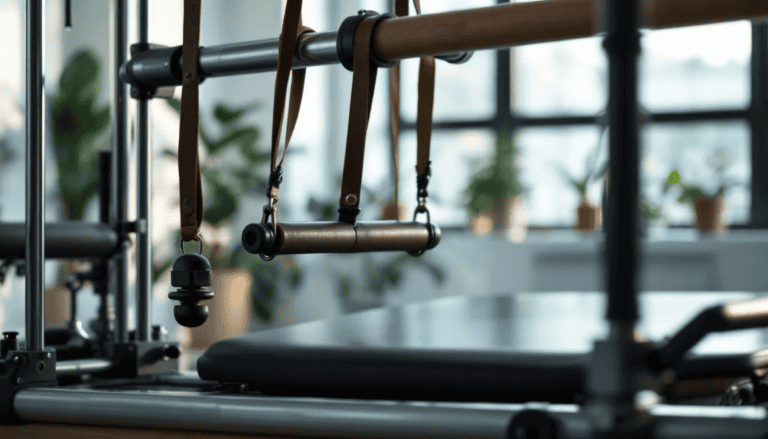
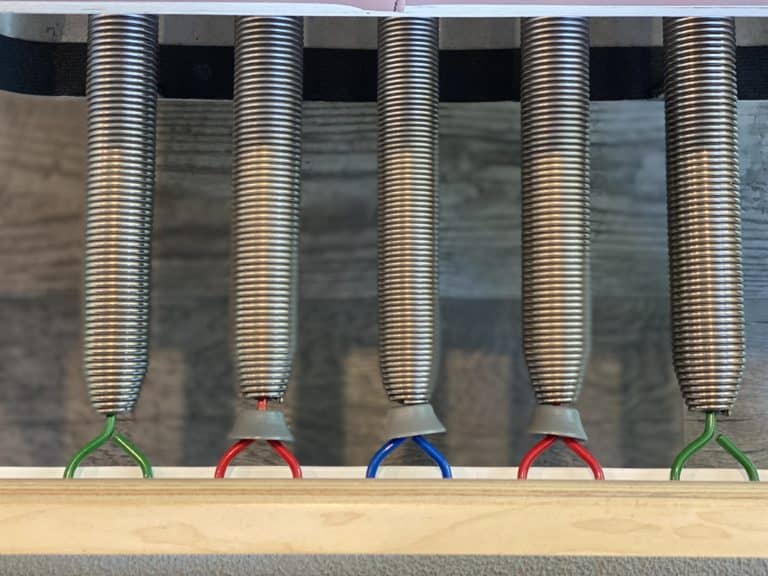
If you have never been in a reformer studio: a reformer is a low frame with a sliding carriage, springs you can add or remove to set the resistance, and straps for your hands or feet. It can look a bit like a medieval contraption the first time you see one. Most people stop noticing after about ten minutes.
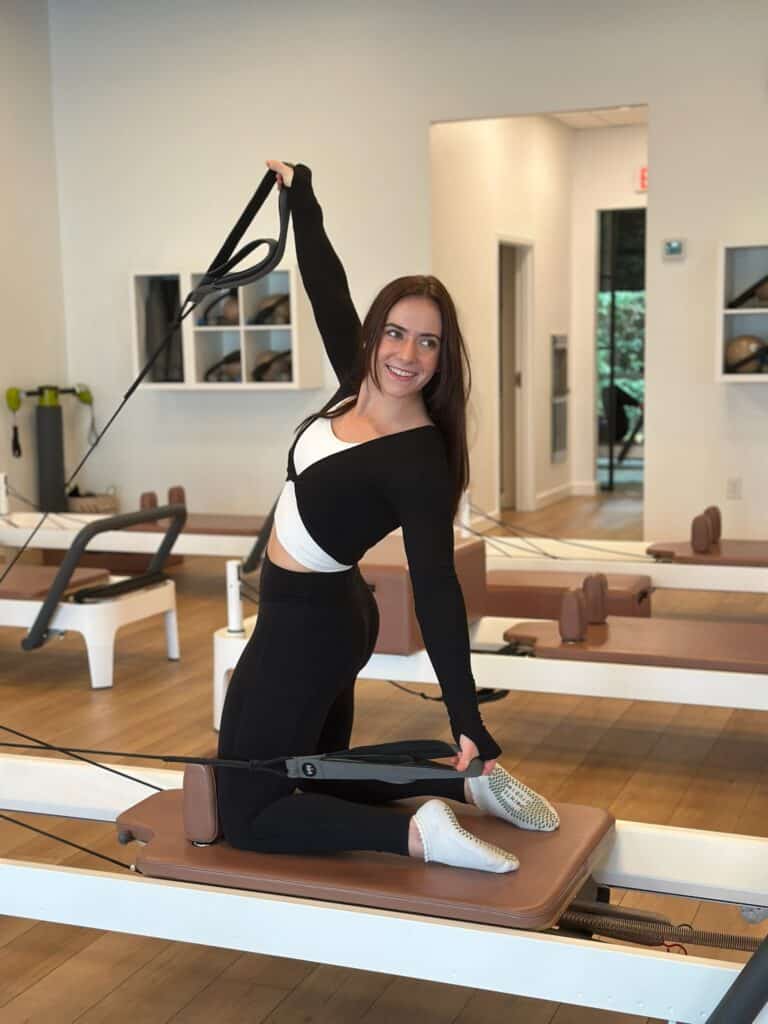
Prenatal work on it is not a separate discipline. It is the same repertoire, with the springs, the positions and the range chosen around a body that is changing every few weeks. That is also why the instructor matters more than the equipment. At Pilates of Charleston, the studio’s owner and lead instructor is a certified prenatal and postnatal Pilates specialist, which is the credential worth asking about wherever you book: it means the person watching you has been trained in what to change and when. If you are still choosing between a studio and a style, it helps to know what yoga and Pilates each actually train before you buy a pass.
When to start, and when to ask your provider first
The American College of Obstetricians and Gynecologists encourages regular moderate activity through an uncomplicated pregnancy, somewhere near 150 minutes a week, and Pilates can be part of that total. If you were already taking classes, there is usually no reason to stop when the test comes back positive. If you are new to Pilates, the second trimester is a common place to begin, once first-trimester nausea and fatigue have eased.
Ask your provider before your first class, and describe what the class involves. Bleeding, placenta previa, preeclampsia, a cervical concern or a history of preterm labor all change the answer, and that is a conversation for your doctor or midwife rather than a front desk. None of what follows is a diagnosis or a substitute for their advice. If a studio itself is new territory, a beginner’s guide to Pilates in Mount Pleasant covers what to wear and what the first hour feels like.
First trimester: the work stays, the habits change
Little needs to change mechanically this early, because little has changed mechanically yet. What changes is how you feel. Nausea and fatigue make a familiar spring load feel heavier, so take the lighter setting and do not treat it as a step backward. Drink more water than you think you need, and keep an eye on overheating; getting genuinely hot is the thing worth avoiding.
Tell your instructor you are pregnant before class starts, even at six weeks when nothing shows and you have told almost no one. Pilates of Charleston asks every client to flag what is going on in their body before the session begins, and a pregnancy is exactly what that question is for. An instructor who knows will quietly adjust three or four exercises and say nothing else about it.
Second trimester: off your back, and easing out of deep flexion
Two changes land here. The first is supine work, meaning anything done face up. From somewhere around the middle of pregnancy, long stretches flat on your back are generally discouraged, so footwork moves to an inclined or upright version rather than disappearing from the hour.
The second change is deep abdominal flexion: full roll-ups, teasers, anything that curls you hard around the middle. The signal to back off is visible. If the belly cones or domes down the midline when you lift your head and shoulders, the load has passed what the abdominal wall can hold evenly. That is the pattern connected to diastasis recti, the widening between the two halves of the abdominal muscles that is common and expected in pregnancy. Side-lying work, hands-and-knees work and standing work at the carriage reach the same muscles without the coning.
Third trimester: width, breath, and getting on and off the carriage
By now the center of gravity has moved forward, balance is less reliable than it used to be, and face-down work is finished for a while. Stances widen to make room. Springs get chosen for support rather than challenge. Transitions start to matter more than exercises: step onto the carriage instead of hopping, use the frame, and take a breath between positions rather than rushing them.
This is also the trimester where breath becomes the useful part of the lesson. Pilates spends a lot of time coordinating breath with the pelvic floor and the deep abdominals, and learning to let that floor release, not only grip, is a skill worth having before delivery and after it.
What a class in Mount Pleasant looks like when you’re pregnant
Pilates of Charleston runs eight reformers and caps every class at eight people, which is the practical reason prenatal modification works in a group room at all: the instructor can see your ribs and your hips and reach you before the third repetition rather than after it. How a capped group class actually runs is worth a read if large studio classes are your only reference point.
If you are managing something significant, such as pelvic girdle pain, an existing diastasis or a complication your provider is watching, start with a private reformer session instead. Group class is not the right room for everyone just because the exercise is Pilates, and one private hour gives an instructor room to build the version of each exercise that fits you. The studio on S. Shelmore Boulevard sits next to Langdon’s and Wood & Grain, with Second State coffee next door for the fifteen minutes before class.
Booking your first class
Classes are bought as passes with a monthly membership and no long-term contract, and the eight-person cap is published alongside the rates. One thing to plan around: the cancellation policy is firm, with no exceptions, including for weather and traffic. Book the time of day you can reliably keep, which for a lot of pregnant clients turns out to be earlier than they expected.
The studio has been open in Mount Pleasant under the same owner since 2011, was voted Charleston City Paper’s Best Pilates Studio in 2023 and 2024, and is nominated again for 2026. Clients come from Mount Pleasant, Daniel Island, Isle of Palms, Sullivan’s Island and downtown Charleston. When you have your provider’s go-ahead, get in touch with the studio, say how many weeks along you are, and ask which class time leaves the most room for a first visit.
Frequently asked questions
When should you start prenatal Pilates?
If you already practice, there is usually no reason to stop in the first trimester once your provider has confirmed the pregnancy is uncomplicated. If you are starting from scratch, many people begin in the second trimester, after early nausea and fatigue settle. There is no deadline either way. What matters more than the start date is that the instructor knows you are pregnant and how many weeks along you are.
Is Pilates good for prenatal fitness?
For most uncomplicated pregnancies, yes. The American College of Obstetricians and Gynecologists encourages regular moderate activity during pregnancy, and Pilates fits the brief: it builds hip, back and deep abdominal strength, and it spends real time on breathing and the pelvic floor. The qualifier is the one that applies to any exercise in pregnancy, which is that your doctor or midwife makes the call for your situation, not a studio.
Where can I find prenatal yoga in Charleston, South Carolina?
Pilates of Charleston is a reformer studio rather than a yoga studio, so prenatal yoga is not something we teach. Several studios downtown and in Mount Pleasant do run prenatal yoga classes, and plenty of people do both. The short version of the difference: yoga leans toward breath, mobility and holding shapes, while reformer Pilates adds spring resistance and asks for controlled strength work.
What is the 10/20/30 rule in Pilates?
You will see this phrase attached to a few different things online, and it is not a standard term in classical Pilates training or in reputable instructor certifications. Most of the time it has been borrowed from an interval running protocol. If a studio uses it as shorthand for their own format, ask them what it means there rather than assuming it is a method-wide rule.
Can I go back to reformer Pilates after the baby?
Yes, once your provider clears you, which for most people is at the postpartum check rather than a fixed number of weeks. Come back lighter than you left. Abdominal and pelvic floor tissue need rebuilding before deep flexion work returns, and that sequencing is easier to get right with an instructor who knows your pregnancy history. A private session is a reasonable first step back before you rejoin a group class.