Rooted in Contrology. Informed by what we know now.
Joseph Pilates called his method Contrology: whole-body exercise built on breath, control, precision and a strong, supported center. Every class we teach still rests on that foundation — the same principles, the same apparatus, much of the same repertoire.
What we add is a century of learning since. The contemporary approach brings in modern exercise science, biomechanics, physical therapy and sports medicine, so we can explain why an exercise works, change it when it does not suit you, and build a session around your body rather than around a fixed order.
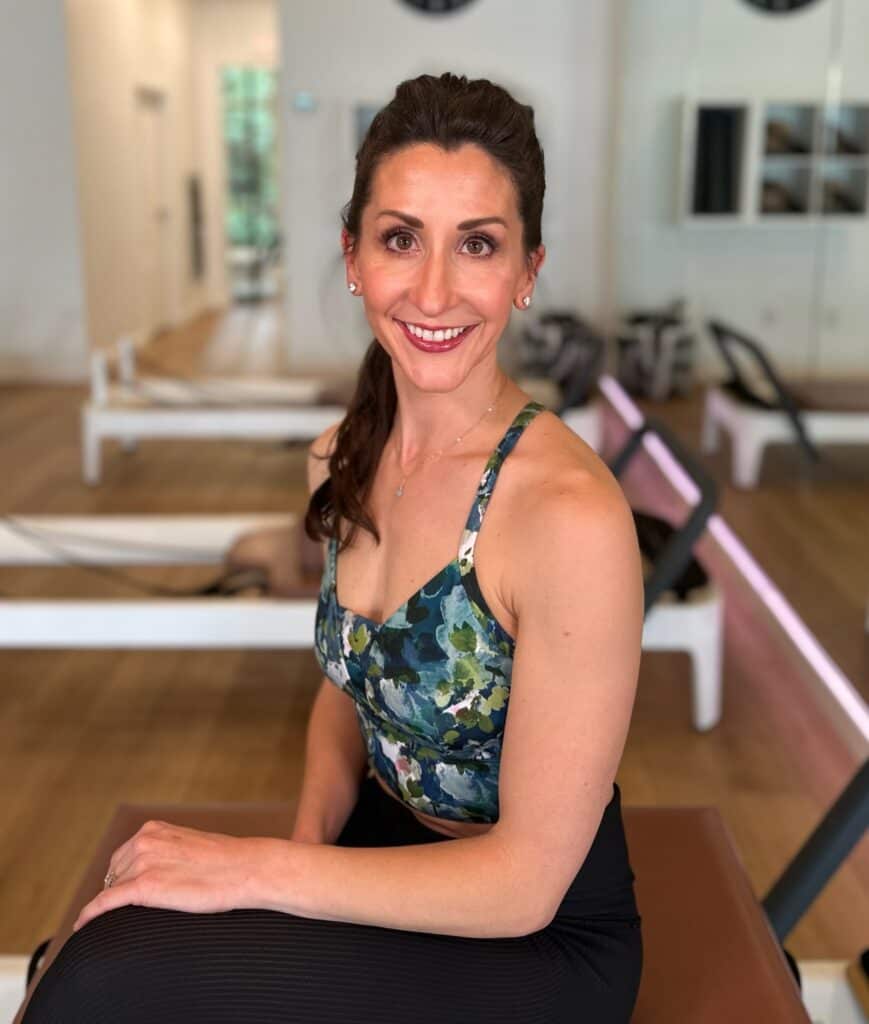
The same method, taught to the person in the room
It honors the original
The principles Joseph Pilates set out — breath, centering, control, precision and flow — and the apparatus he designed stay at the heart of every session.
It changes for you
Classical sessions follow a set exercise order. We modify, re-sequence and tailor the work to your body type, fitness level and history, including injuries and recovery.
It keeps learning
Our teaching draws on exercise science, biomechanics, physical therapy and sports medicine, so cues and progressions reflect what is known today.
Two branches of the same tree
Classical Pilates preserves the method as Joseph Pilates taught it, in its original order. Contemporary Pilates keeps the same roots and adapts the delivery. Both are genuine Pilates, and both honor the original techniques — the difference is how much room there is to adjust the work for the person on the reformer.
We chose the contemporary path because our clients range from first-timers to people rebuilding after surgery to athletes and long-time practitioners, and one fixed sequence does not serve all of them equally well.
Not everything called Pilates is Pilates.
As Pilates has grown, plenty of gyms and franchises have taken the name for classes that do not follow the method, and some do not use traditional reformers at all. A Pilates class should be built on the method’s principles, taught by comprehensively certified instructors, on proper Pilates apparatus.
Ours is: Balanced Body Allegro 2 reformers, eight people at most, and instructors who know the method well enough to adapt it.
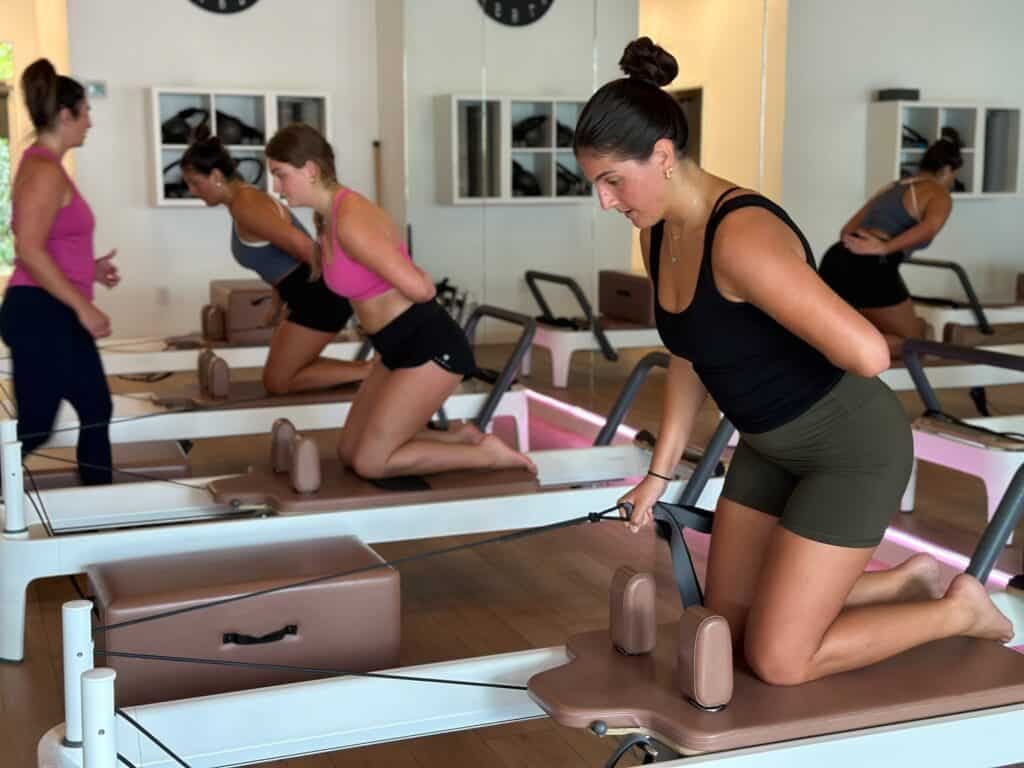
Balanced Body, start to finish
The studio is fully equipped with Balanced Body® equipment, including Allegro 2 reformers. Smooth carriages, precise spring tension and adjustable foot bars let us offer a wide range of exercises, modifications and progressions for every level of client — which is exactly what a contemporary approach needs.
Depending on the class, you will also work with jump boards, boxes, resistance bands, magic circles and handheld weights.
Contemporary Pilates, answered
What is contemporary Pilates?
Contemporary Pilates is Joseph Pilates’ original method, Contrology, taught with the benefit of modern exercise science, biomechanics, physical therapy and sports medicine. It keeps the principles and apparatus, and allows exercises to be modified, re-sequenced and tailored to each person.
How is it different from classical Pilates?
Classical Pilates follows the original repertoire in a set order. Contemporary Pilates uses the same foundations but adapts the sequence and the exercises to different bodies, fitness levels and rehabilitation needs. Both honor the original method.
Is contemporary Pilates good after an injury?
It is one of the reasons we teach it. Because the work can be modified and progressed, it suits people recovering from injury or surgery. We recommend starting with private sessions, and we are happy to work alongside your physical therapist.
What equipment do you use?
Balanced Body equipment throughout, including Allegro 2 reformers, along with jump boards, boxes, resistance bands, magic circles and handheld weights depending on the class.
How can I tell if a class is real Pilates?
Look for comprehensively certified instructors, proper Pilates apparatus such as reformers, and classes built on the method’s principles of breath, centering, control and precision. Plenty of fitness classes use the name without following the method.
Try it for yourself: two classes for $50
Any group reformer class on the schedule, with a full equipment orientation on your first visit.