Why Choosing the Right Exercise Matters for Your Weight Loss Goals
Is Pilates or yoga better for weight loss? The short answer: both can help you lose weight, but they work differently. Pilates typically burns slightly more calories per session and builds lean muscle that boosts your metabolism. Yoga offers stress reduction that helps control cortisol levels and emotional eating. For the best results, most experts recommend combining both practices with a balanced diet.
Quick Comparison:
| Factor | Pilates | Yoga |
|---|---|---|
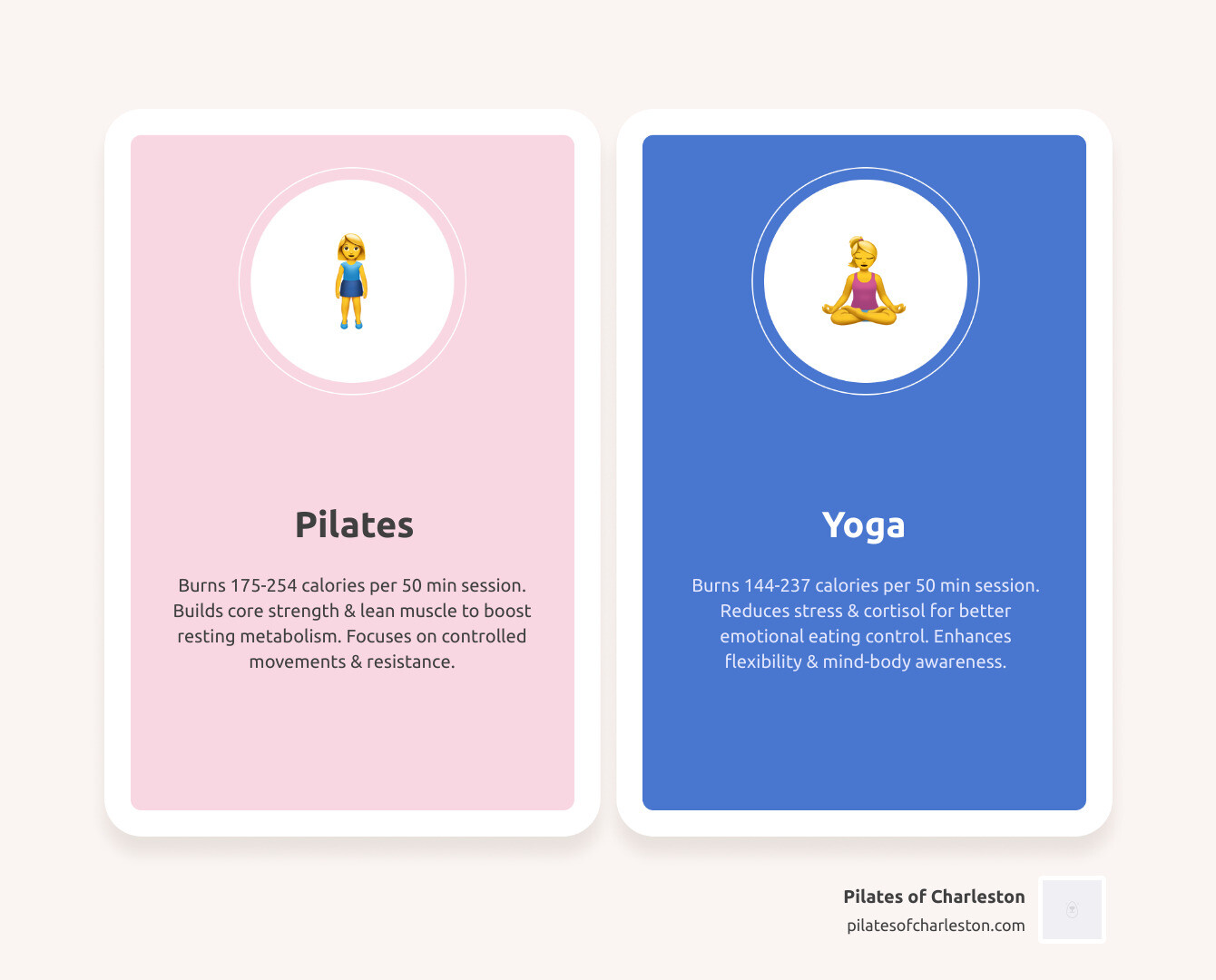
| Calorie Burn (50 min) | 175-254 calories | 144-237 calories |
| Best For | Core strength, muscle toning, metabolism boost | Flexibility, stress reduction, mindful eating |
| Weight Loss Approach | Direct (calorie burn + muscle building) | Indirect (stress management + body awareness) |
| Equipment Needed | Mat or reformer | Just a mat |
If you’re a busy professional juggling work, family, and fitness goals, you’ve probably wondered which practice deserves your limited time. Both Pilates and yoga are low-impact exercises that strengthen your body and calm your mind. But they take different paths to help you reach a calorie deficit—the key to weight loss.
Pilates focuses on controlled movements that target your core and build lean muscle mass. More muscle means your body burns more calories even at rest. Yoga emphasizes the mind-body connection through flowing poses and breath work. This reduces stress hormones like cortisol that can trigger weight gain and emotional eating.
The research shows neither practice alone will create dramatic weight loss. A 50-minute advanced Pilates session burns about 254 calories—roughly half of what you’d burn jogging. But when you pair either practice with a balanced diet and other forms of exercise, they become powerful tools in your weight loss journey.
The real question isn’t which one is objectively better. It’s which one you’ll actually stick with—because consistency matters more than calorie counts.
Key Differences Between Pilates and Yoga
To understand which is better for your goals, we first need to look at where these practices come from. While they both involve mats and focus on breathing, their “personalities” are quite different.
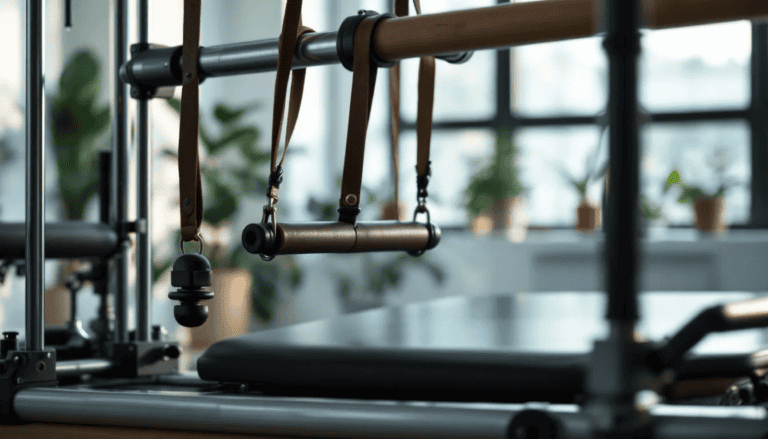
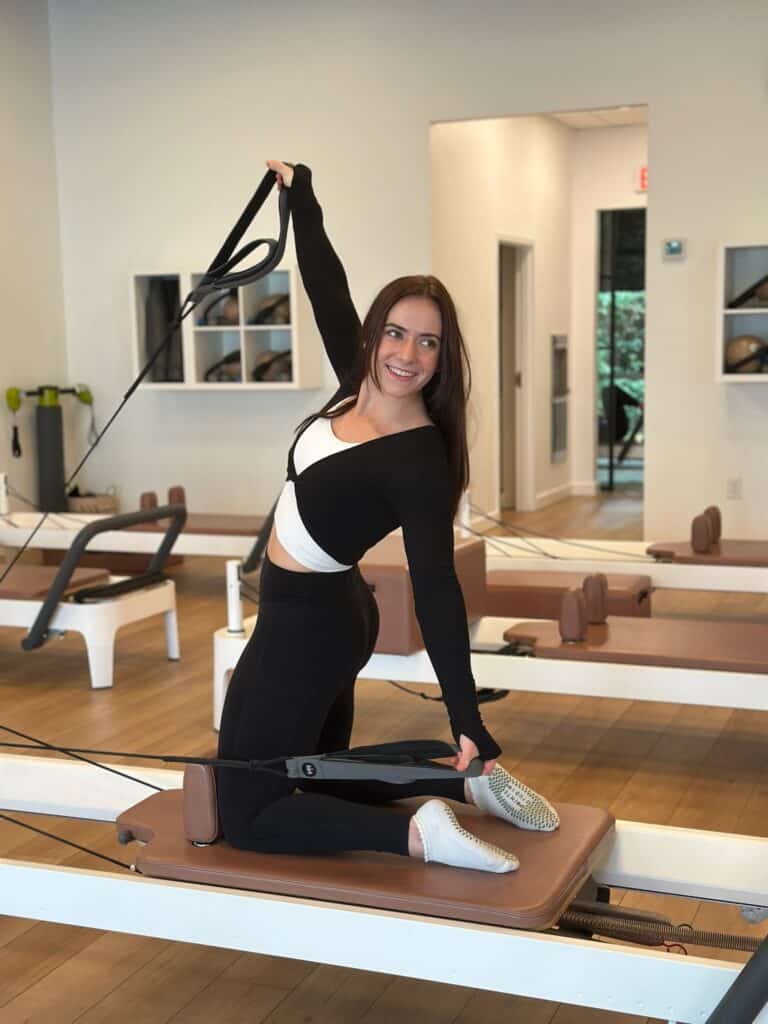
Pilates Joseph Pilates invented the Pilates method in the 1920s. It is designed to stretch, strengthen, and balance the body through specific exercises and focused breathing. Types of Pilates include mat and reformer — which uses a special exercise machine with a sliding platform and cables. Originally called “Contrology,” it was used to rehabilitate wounded soldiers after World War I. Because of this, Pilates has a heavy emphasis on neuro-motor control—training your brain and nervous system to finely tune your movements.
Yoga, on the other hand, originated thousands of years ago in ancient India. It is a holistic mind-body exercise that incorporates physical postures, meditation, and specific yoga styles and origins that range from the slow, meditative Hatha to the sweat-inducing Vinyasa.
The primary difference lies in the focus. Yoga is often more spiritual and fluid, using breath to release and relax into poses. Pilates is more physical and structured, using breath to initiate muscle contraction and stabilize the core. Think of yoga as “creating space” in the body and Pilates as “building strength” from the inside out. At Pilates of Charleston, we focus on that physical conditioning to help you feel stronger in every daily movement. You can find more info about Pilates services on our website to see how we structure these sessions.
Is Pilates or Yoga Better for Weight Loss? Calorie Burn Compared
When we talk about weight loss, the conversation usually starts with calories. If you want to know is pilates or yoga better for weight loss based purely on the numbers, Pilates tends to have a slight edge in calorie burn per hour, especially when you move into advanced levels.
According to studies by the American Council on Exercise (ACE), here is how the numbers break down for a 50-minute session:
| Exercise Type | Average Calories Burned (50 Min) |
|---|---|
| Hatha Yoga | 144 calories |
| Power Yoga | 237 calories |
| Beginner Pilates | 175 calories |
| Advanced Pilates | 254 calories |
While these numbers seem modest compared to a high-intensity run, they don’t tell the whole story. ACE study on yoga calorie expenditure shows that dynamic styles like Vinyasa or Power yoga can elevate the heart rate significantly. Some measurements suggest that an hour of Vinyasa can burn up to 540 calories depending on intensity. Similarly, an hour of Bikram (hot) yoga can burn around 354 calories for a 130-pound person.
The ACE study on Pilates calorie burn highlights that as you progress to advanced movements, your energy usage increases. The true “magic” for weight loss in Pilates isn’t just the calories burned during the class—it’s the effect on your metabolic rate. By building lean muscle, you increase your body’s “engine” size, helping you burn more fuel all day long.
Is Pilates or yoga better for weight loss through muscle toning?
If your goal is a “toned” look—which is essentially having visible muscle definition and low body fat—Pilates is often the superior choice. This is because Pilates for core stability specifically targets the deep stabilizer muscles that other workouts miss.
Research shows that Pilates can be up to 310 percent more effective at tightening the hard-to-target obliques compared to traditional crunches. By focusing on the “powerhouse” (your abs, lower back, hips, and glutes), Pilates creates a lean, long appearance. Unlike heavy weightlifting, which can sometimes lead to a “bulky” look, the resistance used in Pilates—especially on a reformer—challenges the muscles through their full range of motion.
Building this lean muscle mass is a critical part of the weight loss puzzle. Muscle is metabolically active tissue. The more of it you have, the higher your resting metabolism. This means that after a session at our Mount Pleasant studio, your body continues to work for you.
Is Pilates or yoga better for weight loss via stress reduction?
Weight loss isn’t just about what you do in the gym; it’s also about what happens in your head. This is where yoga often shines. High stress leads to high levels of cortisol, a hormone that is notorious for encouraging the body to store fat, particularly in the abdominal area.
Research on yoga and weight-related outcomes suggests that regular yoga practice can significantly reduce stress and lower cortisol levels. This creates a ripple effect:
- Mindful Eating: Yoga helps you become more in tune with your body’s hunger signals, reducing the urge for emotional eating.
- Leptin Regulation: Some studies suggest that mindful movement helps balance leptin, the hormone that tells your brain you’re full.
- Better Sleep: Quality sleep is essential for weight loss. Both practices improve sleep, but yoga’s emphasis on the relaxation response can be particularly helpful for those who struggle with insomnia.
While Pilates is excellent for physical conditioning, the meditative aspect of yoga provides a potent “indirect” weight loss benefit by curbing the lifestyle habits that lead to weight gain.
How to Combine Both for Maximum Results
So, is pilates or yoga better for weight loss? Many of our clients find that the best answer is “both.” Combining the two creates a balanced fitness routine that prevents burnout and plateaus.
A study on mixed exercise programs for fat loss published in the Journal of Applied Physiology found that participants lost more weight and body fat when they committed to a mix of workouts—including endurance training, Pilates, and yoga—rather than just doing one type of exercise.
A Sample Weekly Schedule for Weight Loss:
- Monday: Reformer Pilates (Strength & Toning)
- Tuesday: Vinyasa Yoga (Cardio & Flexibility)
- Wednesday: Rest or light walking
- Thursday: Reformer Pilates (Core focus)
- Friday: Power Yoga (Calorie burn)
- Saturday: Active recovery (Walking or restorative yoga)
- Sunday: Rest
By cross-training, you get the strength and posture benefits of Pilates alongside the flexibility and stress relief of yoga. This variety keeps your muscles guessing and your mind engaged. If you’re looking to get started, we invite you to check out more info about group classes to see how you can fit Pilates into your weekly routine.
Frequently Asked Questions about Weight Loss Workouts
Which is better for beginners or those with injuries?
Both are low-impact, but Pilates was literally built for this. Because of its history in rehabilitation, Pilates offers incredible neuro-motor control and can be easily modified for almost any injury. At Pilates of Charleston, our instructors are experts at providing modifications to ensure joint safety while still giving you an effective workout. Yoga is also beginner-friendly, but some poses can put pressure on the wrists or knees if not performed with proper alignment.
How long does it take to see weight loss results?
Consistency is the secret sauce. Most people begin to see and feel changes in their body composition within 3 to 6 weeks of consistent practice (3 times per week). While the scale might not drop immediately, you’ll likely notice your clothes fitting differently as you build muscle and lose fat. A Pilates for obesity study found that regular practice significantly reduced BMI and body fat percentage in participants over time.
What equipment is needed for Pilates vs. yoga?
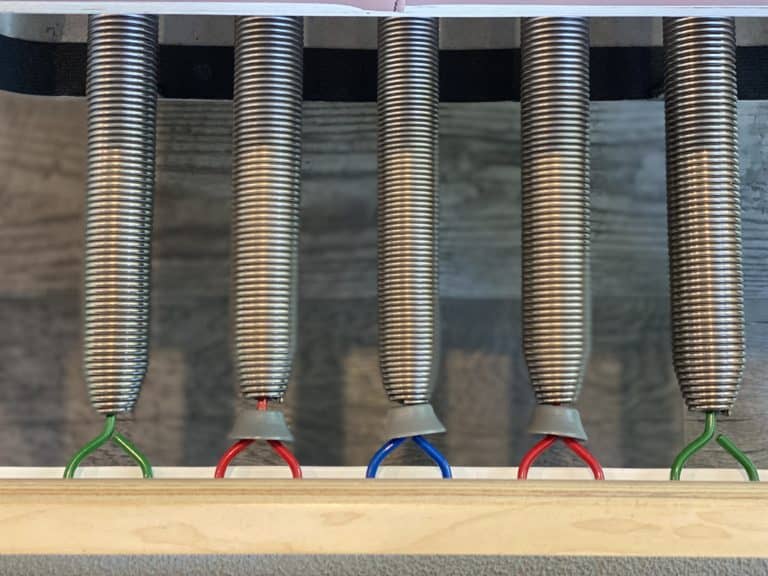
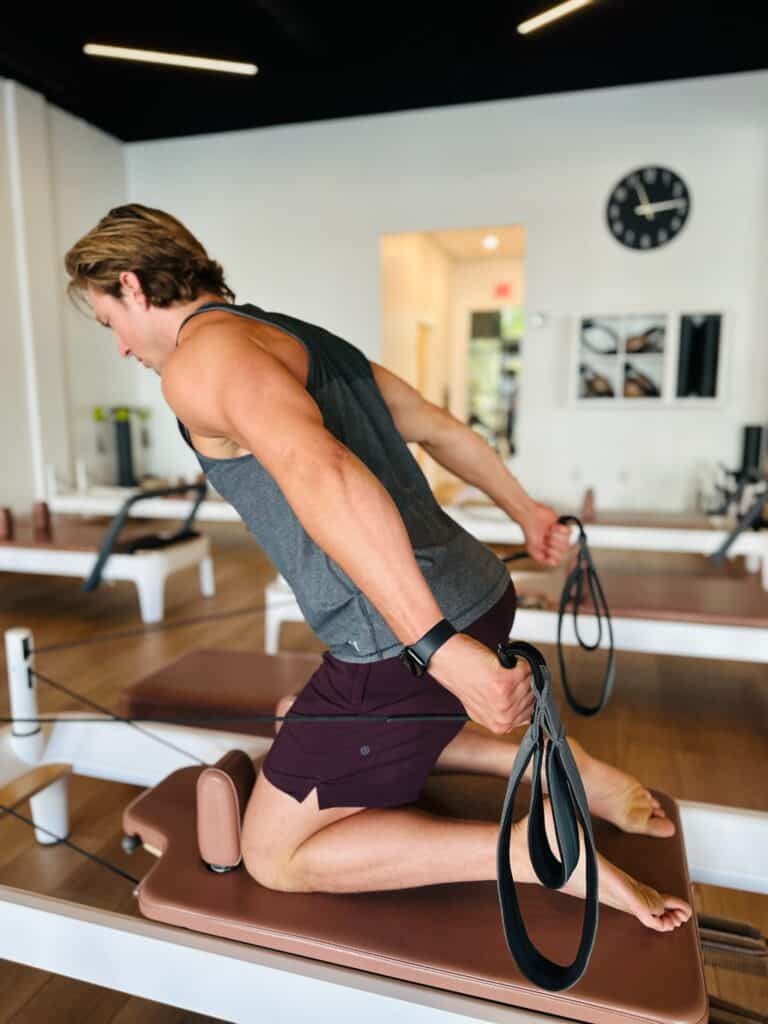
Yoga is the ultimate “anywhere” workout—all you really need is a mat, though blocks and straps can help with flexibility. Pilates can be done on a mat, but the Reformer takes it to the next level. We use the Balanced Body Allegro 2 Reformer, which provides adjustable resistance to challenge your muscles more than body weight alone. This added resistance is a key reason why many find Pilates more effective for rapid toning.
Conclusion
When deciding whether is pilates or yoga better for weight loss, the “best” workout is the one you enjoy enough to do consistently. Pilates offers a direct path to weight loss through calorie burning and muscle building, while yoga supports your journey through stress reduction and mindful habits.
At Pilates of Charleston, we believe in the power of controlled, purposeful movement. As the premier boutique studio in Mount Pleasant, SC—voted best by our clients in 2023 and 2024—we provide the expert instruction and top-tier equipment you need to see real results. Whether you are a total beginner or an athlete looking to cross-train, our Balanced Body Allegro 2 Reformers and personalized approach will help you reach your goals.
Ready to see what Pilates can do for your body? Schedule a private session today and let us help you start your weight loss journey with confidence and strength.