What You Need to Know Before Starting Pilates Certification Classes
Pilates certification classes are structured training programs that teach you how to safely and effectively instruct Pilates to others — and choosing the right one can make or break your teaching career. The journey from a dedicated student to a professional instructor is a profound transformation that requires a blend of physical mastery, anatomical knowledge, and communication skills. As the fitness industry continues to evolve, the demand for high-quality, certified instructors has never been higher, making this the perfect time to invest in your professional development.
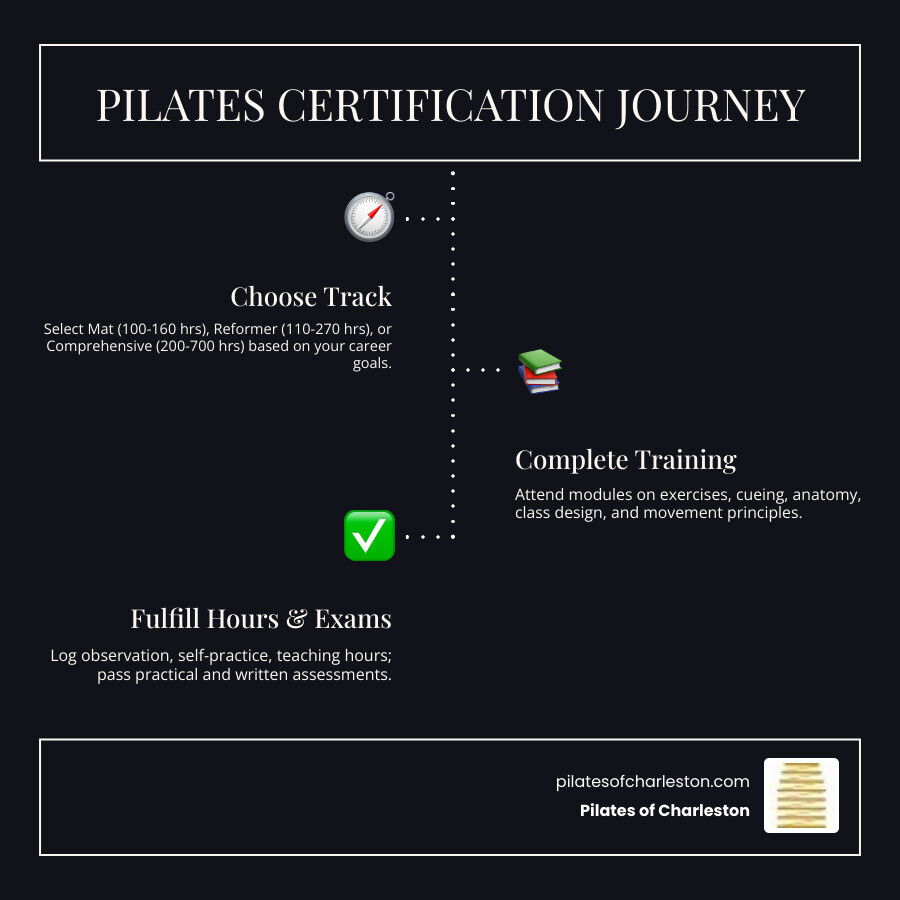
Here’s a quick overview of the main certification paths available to help you navigate your options:
| Certification Type | Typical Hours | Best For |
|---|---|---|
| Mat Only | 100-160 hours | Group class instructors in gyms or community centers |
| Reformer Only | 110-270 hours | Studio or private instruction focusing on the main apparatus |
| Comprehensive (Mat + All Apparatus) | 200-700 hours | Full-scope Pilates teaching career in professional studios |
| Bridge Program | Varies | Instructors already certified elsewhere looking to switch systems |
The most common starting points are:
- Mat certification — This is the foundational entry point. It is generally lower in cost and faster to complete, focusing on the 34 original exercises developed by Joseph Pilates. It is ideal for those who want to teach large group classes.
- Reformer certification — This expands your repertoire into private and semi-private teaching. Since the Reformer is the most popular piece of equipment in studios like ours, this certification is highly marketable.
- Comprehensive track — Often considered the gold standard, this track meets international PMA standards and covers the full suite of Pilates equipment, including the Cadillac and Wunda Chair.
- Bridge programs — These are specifically designed for experienced instructors transitioning between different schools of thought or methodologies.
Whether you’re a fitness professional looking to pivot careers or a dedicated practitioner ready to share your passion, the certification landscape can feel overwhelming. Programs range from 200 hours to 700+ hours. Costs vary widely based on the depth of the curriculum. Formats include in-person, hybrid, modular weekends, and intensive immersions.
The good news? Once you understand how the different programs are structured — and what each one prepares you to do — the right path becomes much clearer. This guide breaks it all down so you can move forward with confidence and clarity.
Choosing the Right Pilates Certification Classes for Your Career
Selecting a training program is a major investment of your time, energy, and heart. When you start looking for pilates certification classes, you’ll notice two main philosophies: Classical and Contemporary. Classical Pilates stays true to the original 500+ exercises created by Joseph Pilates, often following a specific, rigid order designed to move the body through a set progression. Contemporary Pilates, like the programs powered by Balanced Body, integrates modern biomechanics, sports science, and physical therapy principles to make the method more accessible to modern bodies.
Understanding the Comprehensive Track
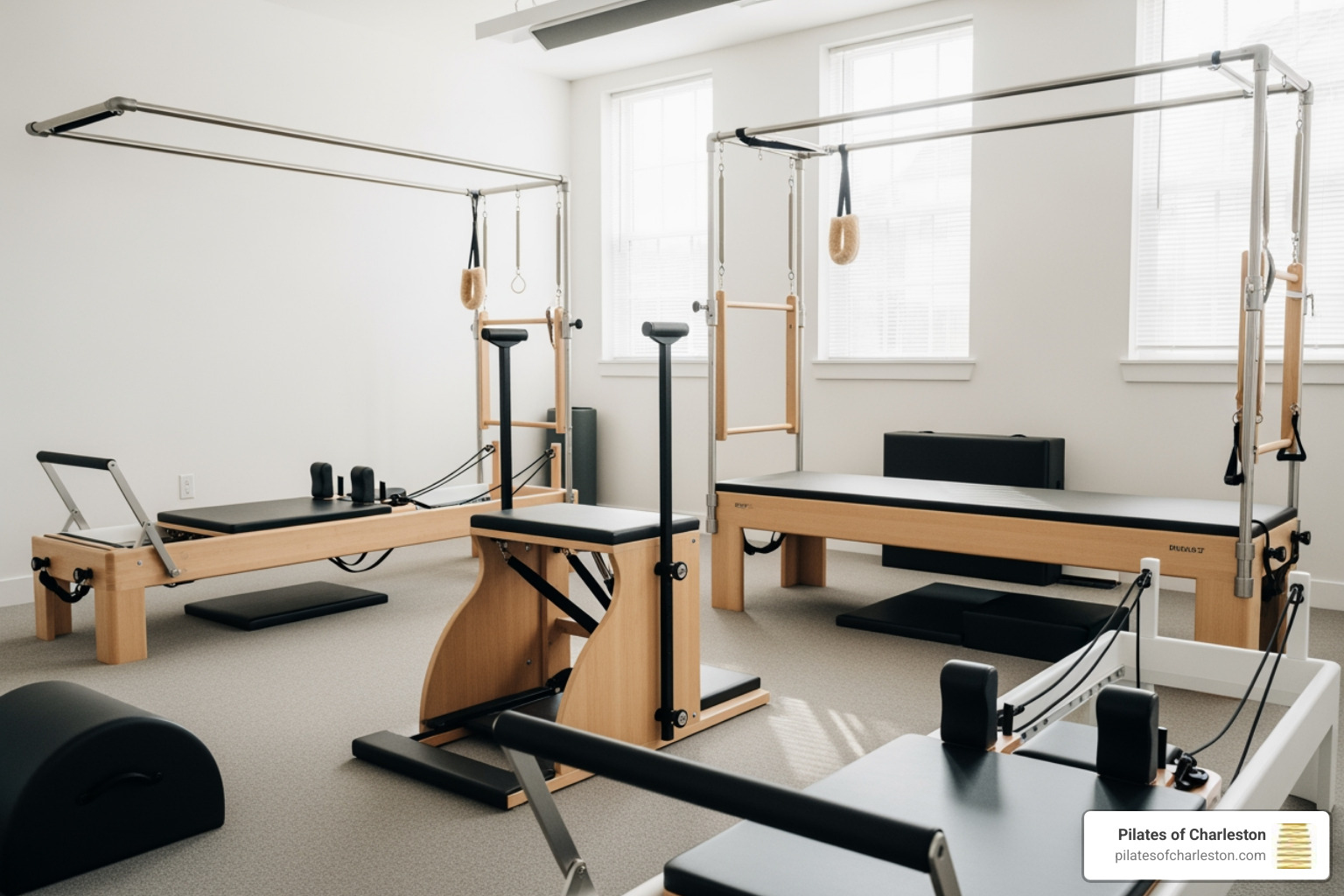
If you want to make Pilates your full-time profession and work in a high-end boutique environment, the Comprehensive Track is the gold standard. This isn’t just about the Reformer; it’s about mastering the entire “studio” suite. You will learn to teach on the Cadillac (Trapeze Table), Wunda Chair, Ladder Barrel, Spine Corrector, and even smaller props like the Magic Circle and foam rollers. Mastering these tools allows you to work with a diverse range of clients, from elite athletes to those recovering from surgery.
Most high-level comprehensive programs require between 500 and 700 hours of total commitment. This sounds like a lot (and it is!), but it’s designed to meet the Pilates Method Alliance (PMA) international standards. This ensures that when you graduate, you aren’t just an “exercise leader”—you are a movement specialist capable of handling complex client needs and designing bespoke programs that deliver real results.
Specialized Pilates Certification Classes for Experienced Teachers
What if you are already a teacher but want to switch “schools” or deepen your knowledge? This is where Bridge programs come in. These are designed for instructors who already hold a certification from a recognized organization but want to learn a new methodology without starting from zero. It acknowledges your existing expertise while introducing you to new equipment or cueing techniques.
Additionally, Continuing Education Credits (CECs) are vital for professional growth and maintaining your credentials. You might take a specialized weekend workshop on “Pre-Natal Pilates,” “Pilates for Osteoporosis,” or “Neurological Conditions.” These classes keep your skills sharp, your teaching fresh, and your professional license active in an ever-changing industry.
Core Curriculum and Essential Skills You’ll Master
You might think you’re just going to learn how to do “The Hundred” or “The Teaser” really well, but the curriculum is much deeper than just physical performance. You’ll dive into Anatomy for Motion and Biomechanics to understand how the musculoskeletal system actually functions during movement. This knowledge is the bedrock of a safe practice, allowing you to understand why a certain exercise might be beneficial for one client but contraindicated for another.
Developing Professional Teaching Skills
A great instructor knows more than just the moves; they know how to communicate them effectively to people with different learning styles. During your training, you will master:
- Cueing Formulas: Learning exactly what to say (verbal), what to show (visual), and how to safely guide (tactile) to get a client to move correctly without causing strain.
- Progressive Sequencing: How to build a class that flows logically from a gentle warm-up to a peak challenge, ensuring the body is prepared for every movement.
- Postural Analysis: Looking at a client’s standing and moving posture to identify imbalances, such as anterior pelvic tilt or rounded shoulders, before they even start the first exercise.
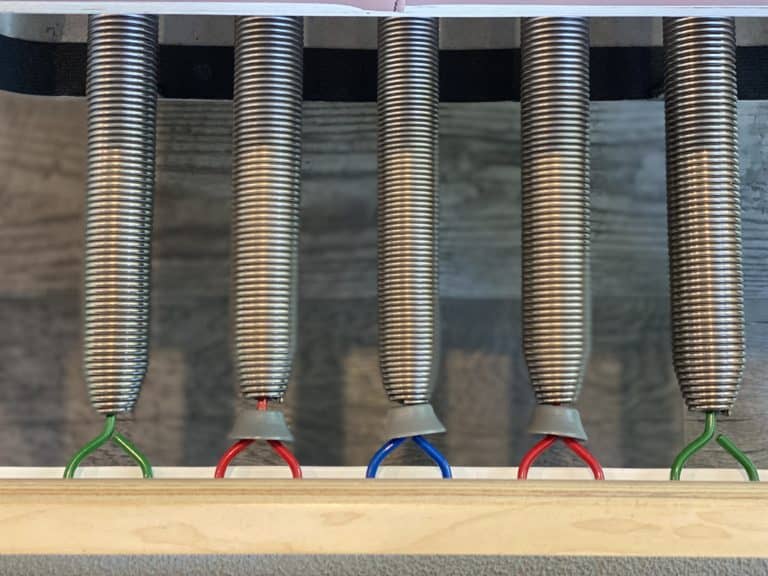
- Safety Protocols: This is especially important when working with heavy springs, moving carriages, and the various straps and bars found on a Reformer or Cadillac.
Mastery of the Pilates Repertoire
You will work through the foundational, intermediate, and advanced levels of the repertoire. For example, a Pilates Level 1: Mat course might cover 75 essential exercises and their modifications, while a full comprehensive program covers over 500 precise movements across all apparatus. You will learn how to modify every single exercise for different body types, injuries, and fitness levels, ensuring that Pilates remains inclusive for everyone.
Prerequisites and What to Expect in Pilates Certification Classes
Before you ever step foot in a teacher training module, most reputable programs require a prerequisite in Functional Anatomy. You can’t teach people how to move their spines safely if you don’t know the difference between the thoracic and lumbar vertebrae, or how the transverse abdominis stabilizes the core! Many students find that taking a dedicated anatomy course specifically for movement professionals is the most helpful way to prepare for the rigors of the program.
Format and Duration of Pilates Certification Classes
The format of pilates certification classes has evolved significantly to accommodate busy professionals. You can now choose from several paths:
- Modular Weekends: Perfect for those with full-time jobs; you attend intensive training sessions once or twice a month, allowing you to process the information in between.
- Intensive Immersions: These are “boot camp” style programs where you live and breathe Pilates for several weeks straight, often completing the classroom portion in a month.
- Hybrid Learning: This modern approach combines virtual anatomy lectures and theory with in-person practical labs where you get hands-on experience with the equipment.
For instance, a standard Reformer curriculum is often broken into several modules over three to four months. This spacing is intentional, as it allows the complex information regarding spring tension and carriage control to truly “sink in” through repeated practice.
Evaluation and Competency Assessment
To earn your certificate and gain the trust of studio owners, you have to prove you know your stuff. This usually involves a multi-step process:
- Written Exams: Testing your knowledge of anatomy, exercise names, and the underlying principles of the method.
- Practical Exams: Teaching a full “check-out” session to a faculty member, demonstrating your ability to cue, correct, and manage the flow of a session.
- Observation Hours: Spending time watching experienced teachers work with real clients to see how they handle challenges in real-time.
- Self-Practice: Doing the work yourself. You must feel the exercises in your own body to understand the “internal cues” you will eventually give to your students.
Navigating Costs and Professional Support Resources
Let’s be real: pilates certification classes are a significant financial and time investment. Tuition for a basic Mat program might start around $1,500, while a full Comprehensive program can range from $3,500 to over $6,000 depending on the materials, books, and exam fees included. However, when viewed as a career investment, the return on investment (ROI) is high, as certified instructors can command competitive hourly rates in boutique studios and private settings.
Student Support and Mentorship
The best programs don’t just take your tuition and leave you to figure it out on your own. Look for studios and training centers that offer robust support systems, such as:
- Complimentary Classes: Many studios offer free or heavily discounted sessions to trainees to help them clock their required self-practice hours.
- Apprenticeships: Opportunities to work as a “junior” teacher or assistant to gain confidence before taking on your own full roster of clients.
- Mentorship: Having access to a veteran teacher you can call or email when you’re confused about a client’s specific hip injury or how to progress a certain movement.
Career Benefits and Post-Certification Growth
Once you are certified, the professional world opens up in exciting ways. You could work in a boutique studio like ours, open your own home-based studio, or even work in a clinical setting alongside physical therapists and chiropractors. The “mind-body” industry is currently booming, and certified instructors are in high demand for corporate wellness programs, luxury resorts, and private high-end instruction. The networking opportunities within the Pilates community can also lead to international teaching opportunities and specialized workshops that keep your career longevity high.
Frequently Asked Questions about Pilates Certification
How long does it take to become a fully certified instructor?
It depends on your track. A Mat certification can take 3-6 months, while a full Comprehensive certification usually takes 12-18 months to complete all instruction, observation, and practice hours.
What is the difference between a Bridge program and a full certification?
A full certification starts from the beginning. A Bridge program is a “shortcut” for already-certified teachers to learn a new style (like switching from Classical to Contemporary) without repeating basic anatomy.
Are there financial aid options or payment plans available for trainees?
Many reputable training centers offer flexible, no-fee payment plans to help spread out the cost of tuition over the duration of the modules.
Conclusion
At Pilates of Charleston, we know that the journey to becoming an instructor is as much about personal growth as it is about professional skill. It requires dedication, patience, and a genuine desire to help others move better and feel stronger. Whether you are training on our state-of-the-art Balanced Body Allegro 2 Reformers or studying complex anatomy late at night, you are joining a vibrant community dedicated to health, healing, and longevity.
Choosing the right pilates certification classes is the first step toward a rewarding career that changes lives—starting with your own. Our boutique studio in Mount Pleasant is proud to support the next generation of movement specialists. Ready to see what a professional, award-winning studio environment looks like? Explore our services and rates to see how we bring the Pilates method to life every day and how you can start your own journey toward mastery.